



PHI MoSi2 Heating Elements "WINNER"
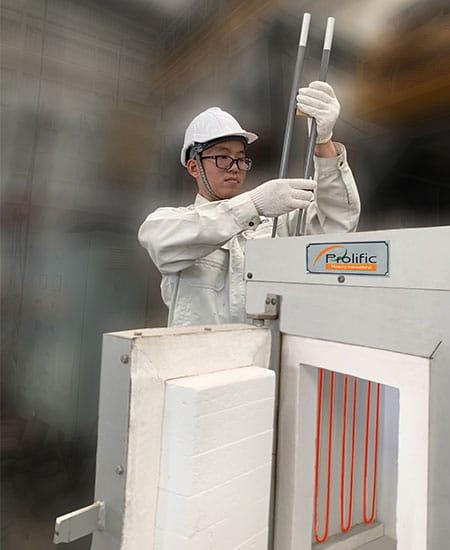
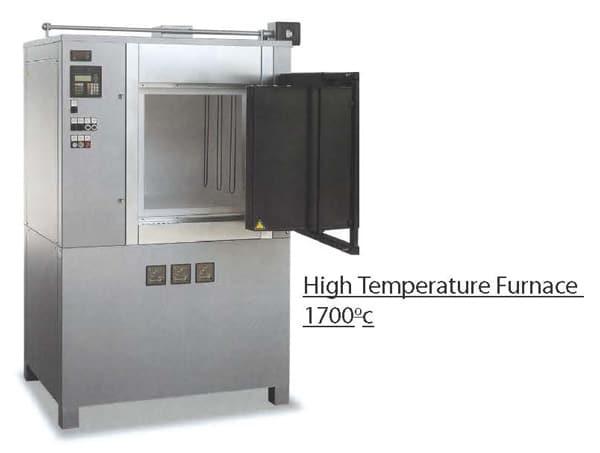
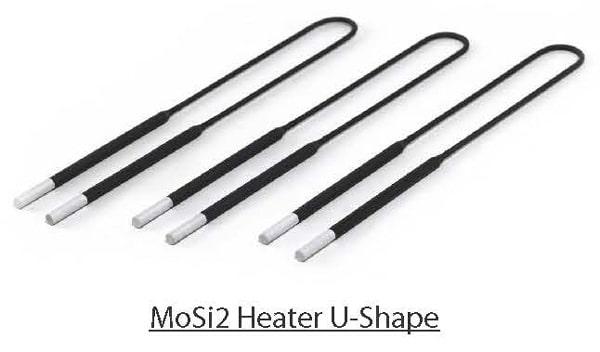
Molybdenum disilicide heating elements from Winner of South Korea, rated for continuous operation to 1850°C and protected by a silica layer that forms on the surface in air.
MoSi2 elements run hotter than the alternatives. A metal element tops out around 1200°C and a silicon carbide element around 1600°C, while molybdenum disilicide holds 1850°C continuously.
The material is a dense ceramic, molybdenum disilicide combined with a glassy silica phase. In air it forms a protective silicon dioxide layer on the surface, and that layer is what stops the element degrading at temperature. It resists thermal shock and chemical attack, and because the heat is electrical there's no flue gas to handle.
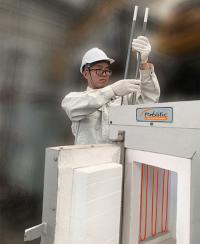
Elements reach temperature quickly, which suits furnaces that cycle rather than run continuously. Typical work is sintering, metal heat treatment, glass melting and refining, semiconductor diffusion and annealing, and stone ageing and ashing in jewellery production.
Official Winner distributor for Thailand and Southeast Asia. MoSi2 reaches working temperatures that metal and silicon carbide elements cannot, and Winner supplies both standard and custom configurations.
- Continuous operation to 1850°C
- Protective silica layer forms in air and limits degradation
- Dense ceramic of molybdenum disilicide with a glassy silica phase
- Resists thermal shock and chemical attack
- Rapid heat-up suits cycling furnaces
- No combustion products
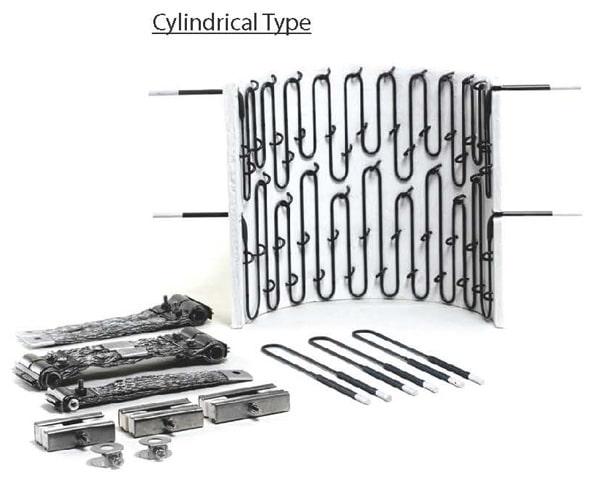
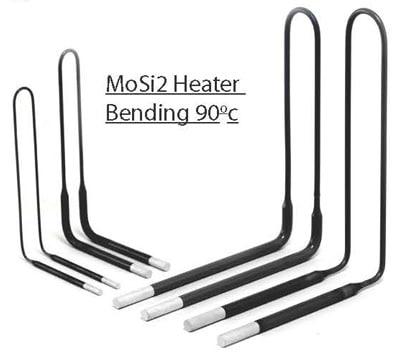
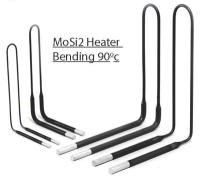
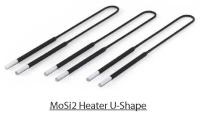
- Custom shapes, sizes and configurations available
Molybdenum disilicide elements are high-temperature heaters for industrial furnaces. Winner developed theirs around the difference in electrical resistance across the material, and it reaches temperatures that other element types cannot.
A metal element is limited to roughly 1200°C and a silicon carbide element to around 1400 to 1600°C. MoSi2 runs continuously at 1850°C. It also heats quickly, which makes it efficient in furnaces that cycle rather than run flat.
The material is a dense ceramic, molybdenum disilicide with a glassy silicon dioxide phase. In air the surface forms a protective SiO₂ layer, and that layer is what stops the element degrading at temperature. Being electric, it produces no harmful gas.
Used wherever the process needs a temperature that conventional elements cannot hold.
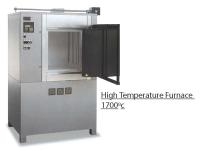
Industrial furnaces and kilns
- High-temperature sintering
- Metal heat treatment
- Ceramic and glass manufacturing
- Semiconductor processing
Steel and metallurgy
- Heat treatment of metals and alloys
- Steel forging and hardening
- Foundry applications
Electronics and semiconductor
- Annealing and diffusion furnaces
- Semiconductor wafer processing
- Thin-film deposition equipment
Glass and ceramics
- Glass melting and refining
- Ceramic sintering and glazing
- Porcelain and advanced ceramics
Jewellery
- Precious stone ageing
- Ashing
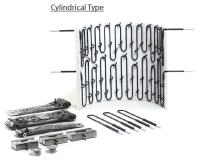
Winner supply more than the MoSi2 elements themselves, in standard and custom designs.
- Heat-resistant wire, to 1200°C
- Silicon carbide (SiC) heaters, to 1600°C
- Molybdenum disilicide (MoSi₂) elements, to 1850°C
The source page lists the heat-resistant wire at both 1200°C and 1400°C in a duplicated block. The lower figure is used here pending confirmation.


