


PHI Industrial Heater
Custom and standard industrial heaters for service temperatures up to 550°C, covering tubular, band, cartridge, nozzle, duct, drum, infrared and flexible types.
Prolific manufactures industrial heaters to customer specification and keeps standard sizes in stock for immediate delivery. Service temperature runs up to 550°C depending on type and construction.
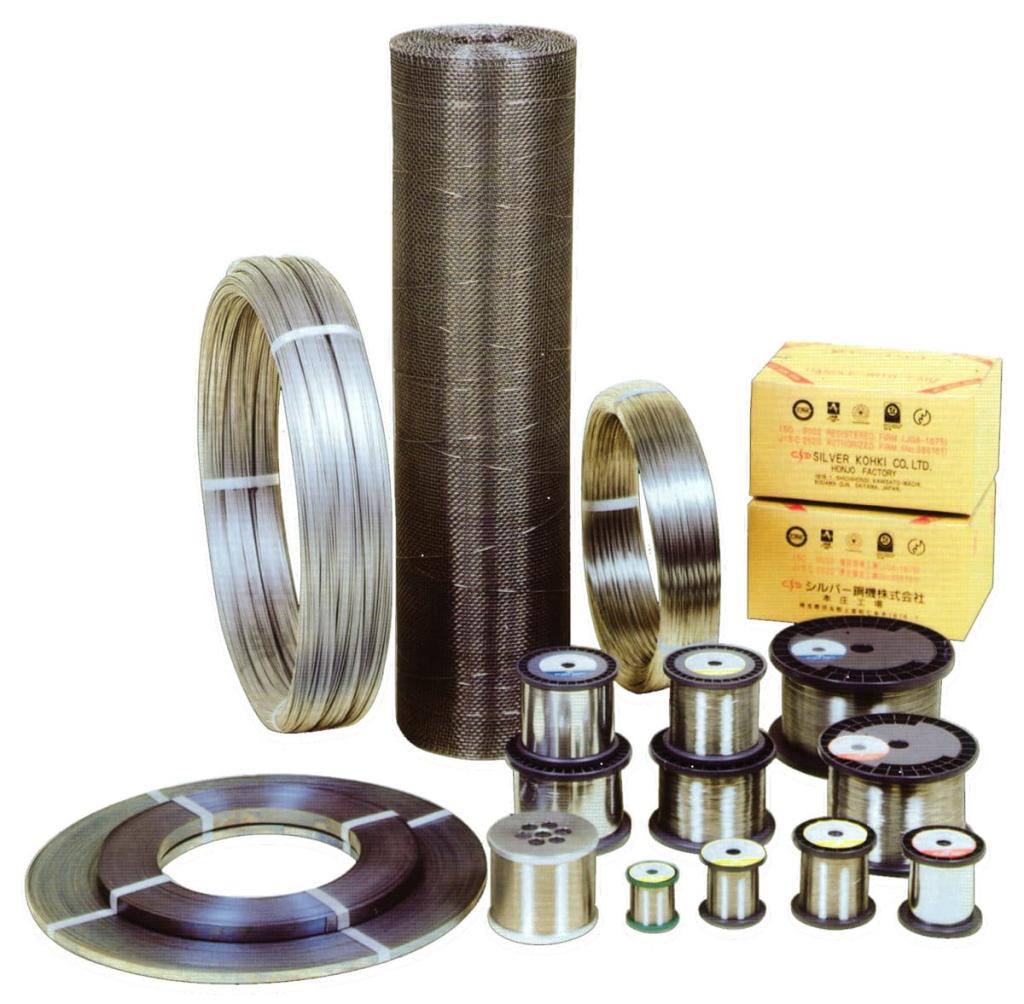
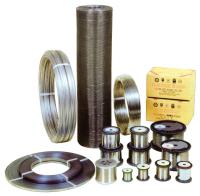
Element material is either a ferritic iron-chromium-aluminium alloy or an austenitic nickel-chromium-iron alloy. The two differ in crystal structure, and that difference carries through into their mechanical, electrical and thermal behaviour, so the right choice depends on the application rather than on price.
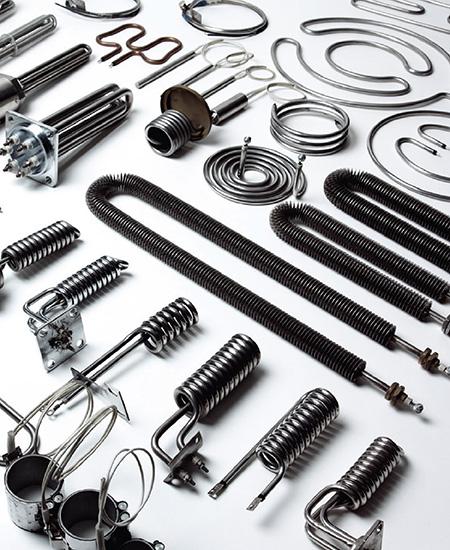
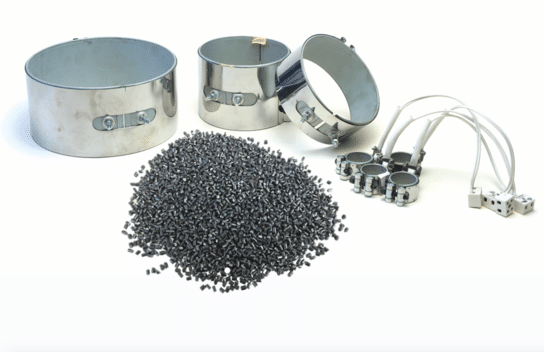
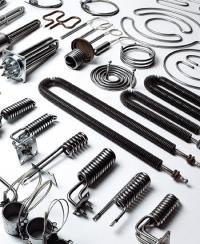
The range covers tubular heaters for general space and process heating, band and nozzle heaters for plastics machinery, cartridge heaters for dies and platens, duct and stainless fin-coiled heaters for forced air, drum heaters for viscosity control of oils and fats, and infrared heaters for spot and zone work. Flexible and flexible tubular types can be formed around awkward shapes and pipework without losing efficiency.
Built to your drawing, or off the shelf. Prolific designs and manufactures industrial heaters to customer specification and holds standard sizes in stock for immediate delivery.
- Custom manufacture to customer drawing and specification
- Standard sizes held in stock for immediate delivery
- Ferritic iron-chromium-aluminium and austenitic nickel-chromium-iron elements
- Tubular, band, nozzle and cartridge types for process and machinery heating
- Duct and stainless fin-coiled types for forced air systems
- Drum heaters for viscosity control of oils and fats
- Flexible and flexible tubular types for complex shapes and pipework
- Infrared heaters for spot and zone heating
Eleven types, covering most industrial duties. Any of them can be built to a drawing if the standard sizes do not suit.
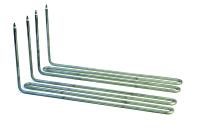
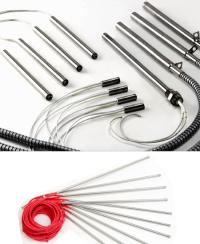
Tubular Heater
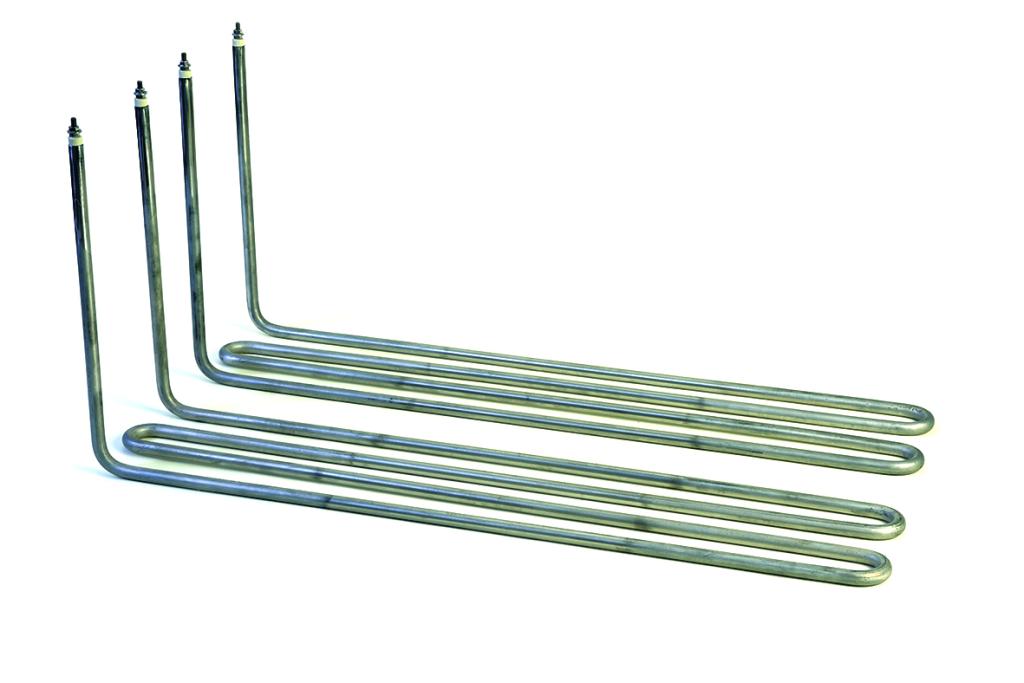
Suits a wide range of applications and works out cost effective in most environments. Discrete, easy to install, wall or floor mounted, and configurable to heat a given space. Available in a range of sizes and wattages.
Plug Heater
For heating water, available for different supply voltages.
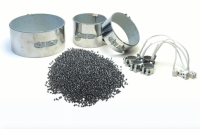
Band Heater
Built to cut waste heat by delivering energy into the load rather than the surroundings, which is where the efficiency comes from.
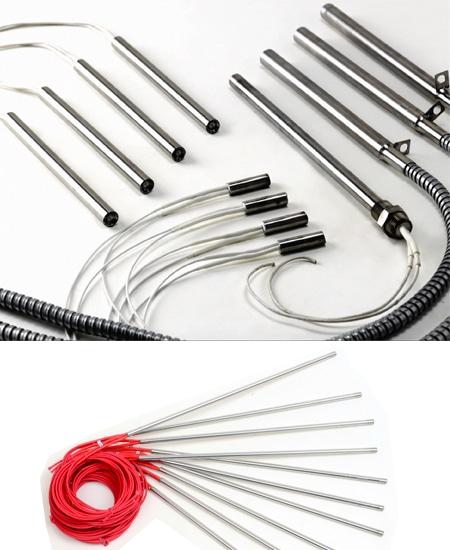
Cartridge Heater
High heat transfer with uniform temperature across the element. Resists oxidation and corrosion and holds up at high temperature.
Duct Heater
For forced air applications, either as dedicated space heating or to supplement an existing system.
Stainless Fin-coiled Heater
For forced convection heating of air or gas. Good mechanical resistance, shock proof construction, easily replaced, and stronger than a rounded coil.
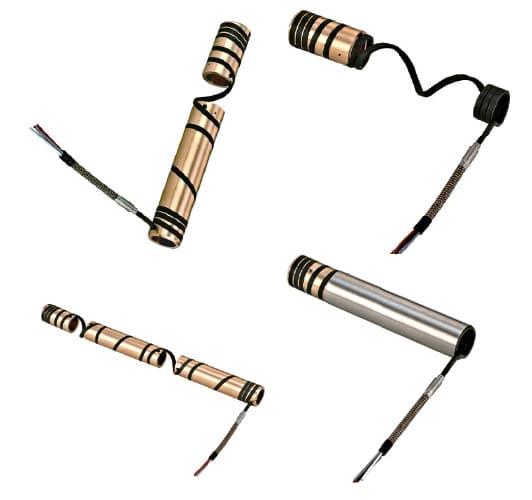
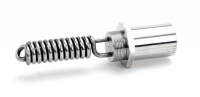
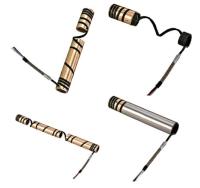
Nozzle Heater
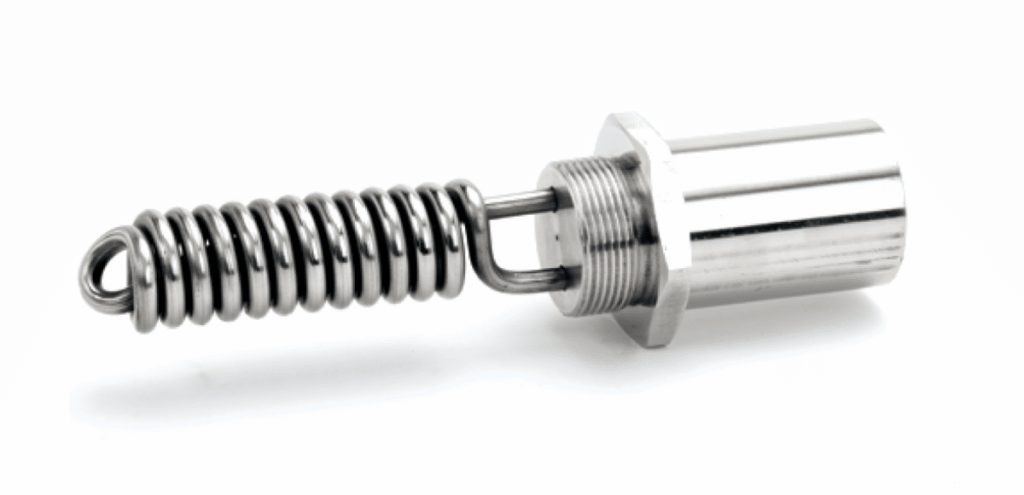
For the plastics industry, wound into a compact coil that delivers heat through the full 360 degrees. Built to the application, whether that calls for high performance, high temperature or high watt density.
Flexible Heater
Applied to complex shapes, curves and pipework without losing efficiency, and manufactured in effectively any shape or size.
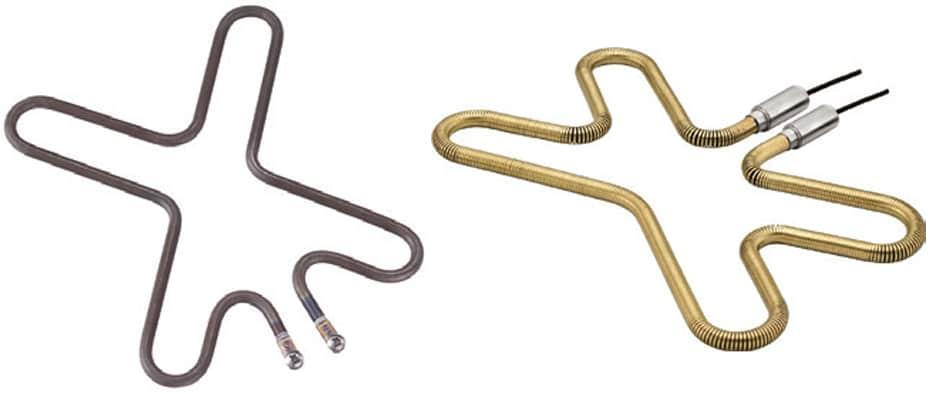
Flexible Tubular Heater
Supplied in various sizes to fit most equipment. The flexible form gives a larger heat emitting area. Easy to form and install, with maximum sheath contact, rapid heat distribution and lower energy cost.
Infrared Heater
Emits infrared heat waves, so the heat does not depend on air or any other medium to carry it. Typically used for spot or zone heating.
Drum Heater
Viscosity control of oils, fats and other food products, temperature maintenance, thermal mixing, and melting solids so the contents can be removed from the drum.
Two families of metallic heat-resistant alloy are used, and they are not interchangeable.
Ferritic iron-chromium-aluminium
A ferritic crystal structure, with the mechanical, electrical and thermal properties that follow from it.
Austenitic nickel-chromium-iron
An austenitic structure, which behaves differently again across the same set of properties.
The choice follows the operating condition rather than the price. Requirements are worked through with the design engineers and the finished heater is verified before delivery.


