NOx Reduction Solutions
We assess your combustion process, operating conditions and emission requirements to develop a practical NOx reduction solution, from process optimization to SCR and SNCR systems
Get Advice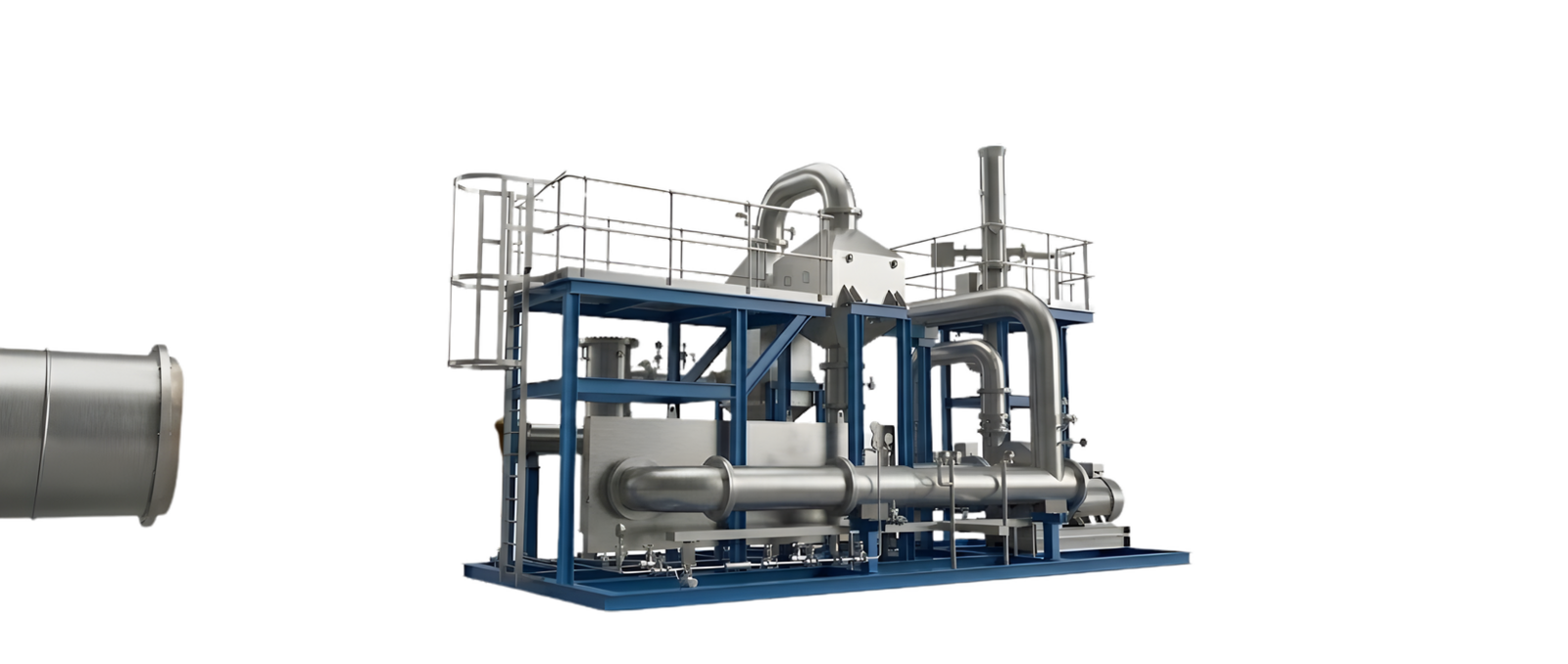
Is Your Process
Facing a NOx
Emission Challenge?
When you or your organization face these situations,
NOx may be creating “risk and cost”
It is not just about regulatory compliance
It is about the future of a sustainable business
Effective NOx management helps reduce risks, improve efficiency, and build trust in your organization.
Request a NOx AssessmentUnderstanding NOx
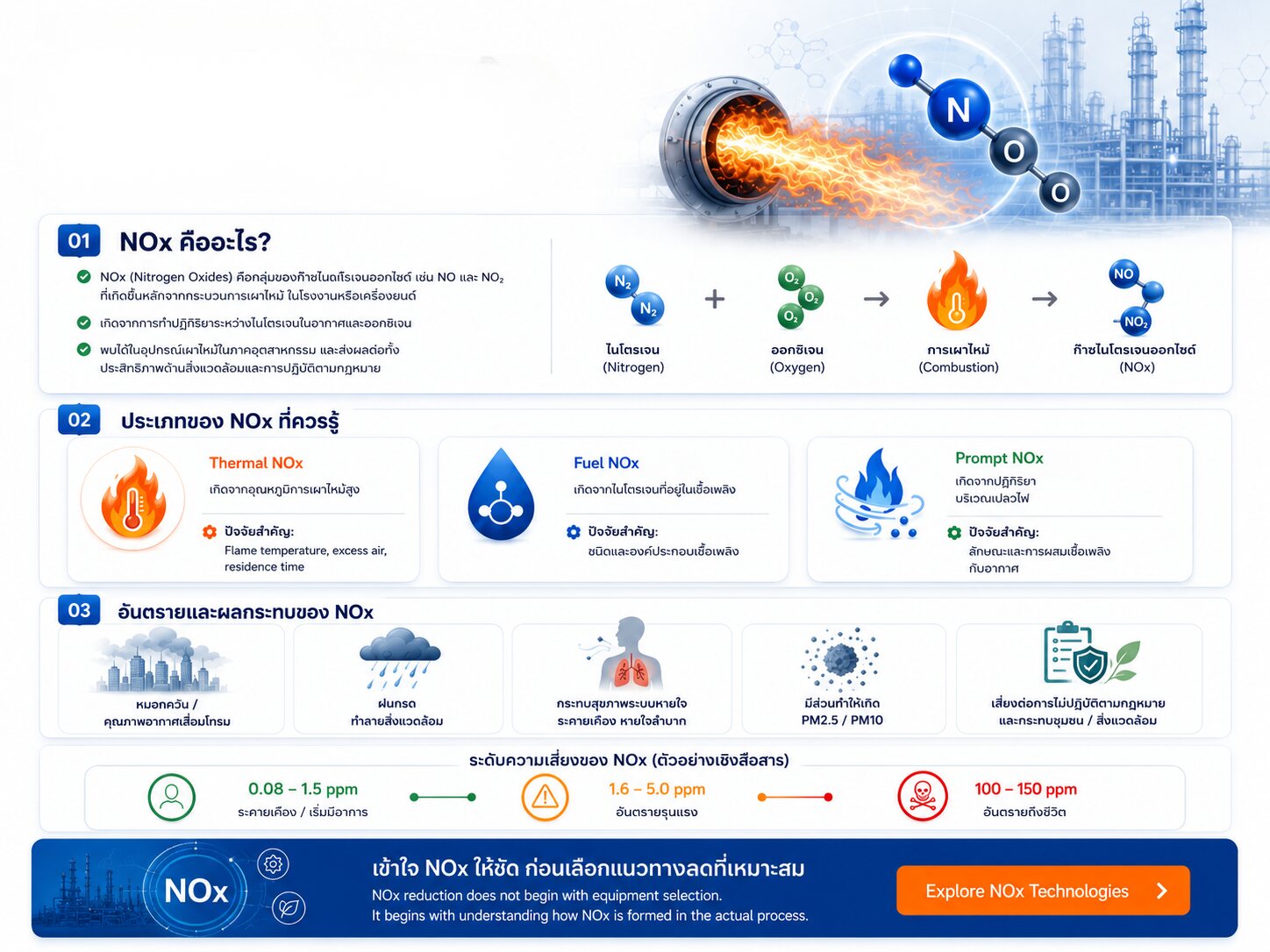
NOx (Nitrogen Oxides) refers to a group of nitrogen oxide gases, such as NO and NO₂, primarily generated by combustion processes in factories or engines. It is formed through reactions between nitrogen in the air and oxygen. It is commonly found in industrial combustion equipment and affects both environmental performance and regulatory compliance.
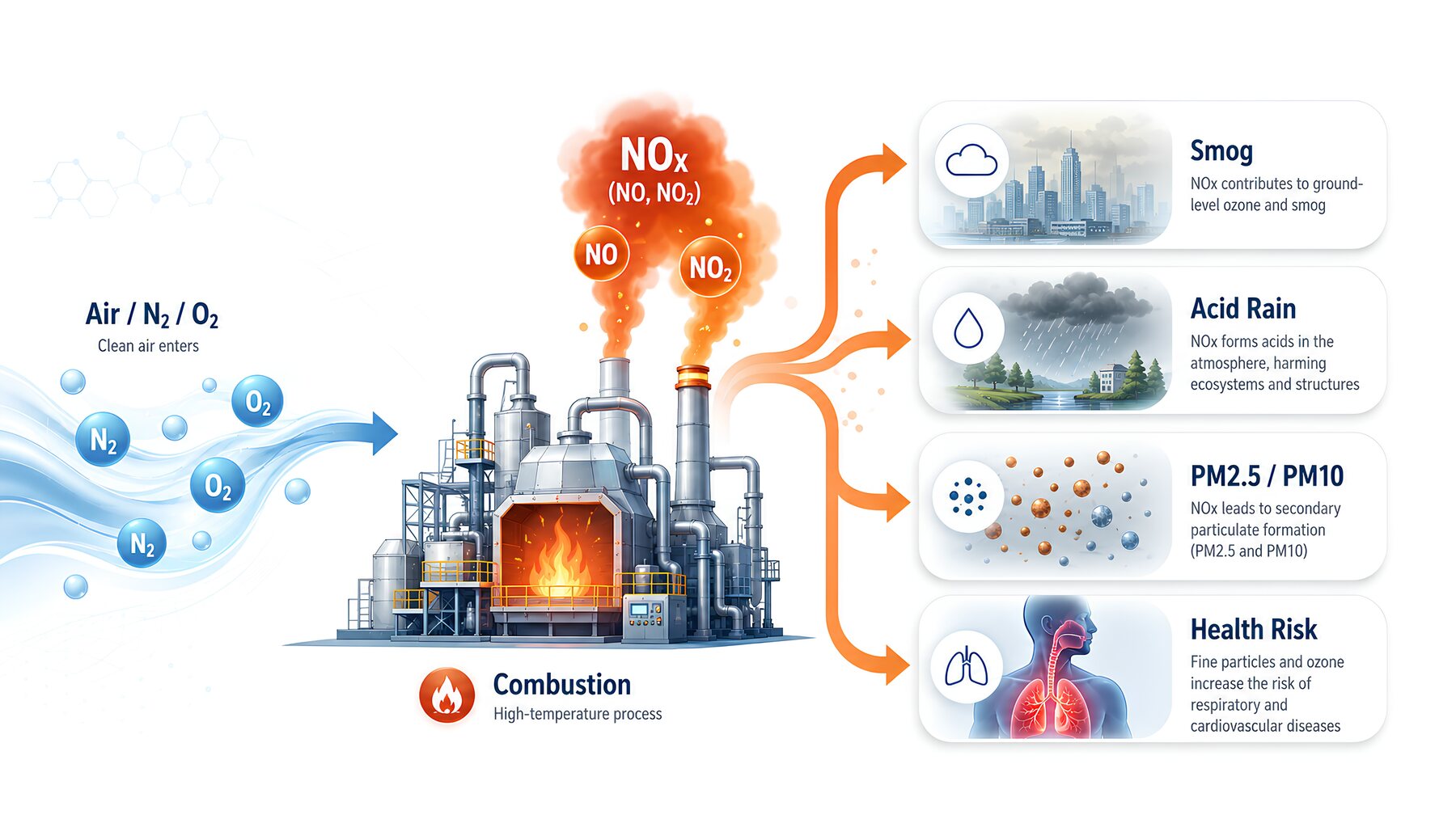
Hazards and Impacts of NOx
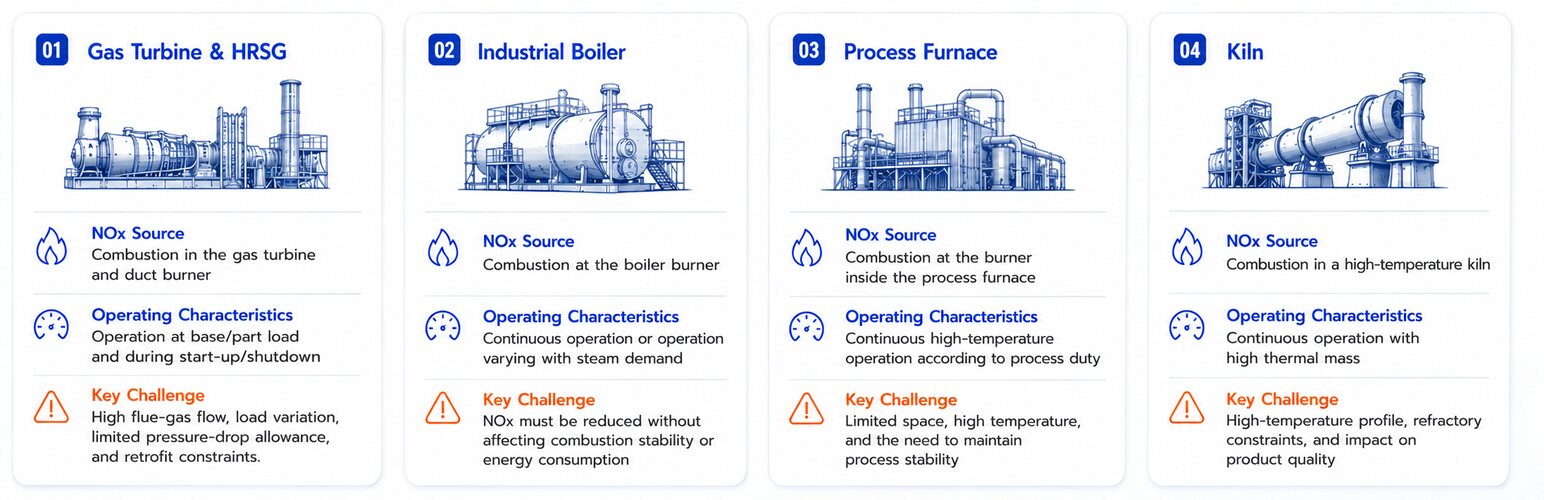
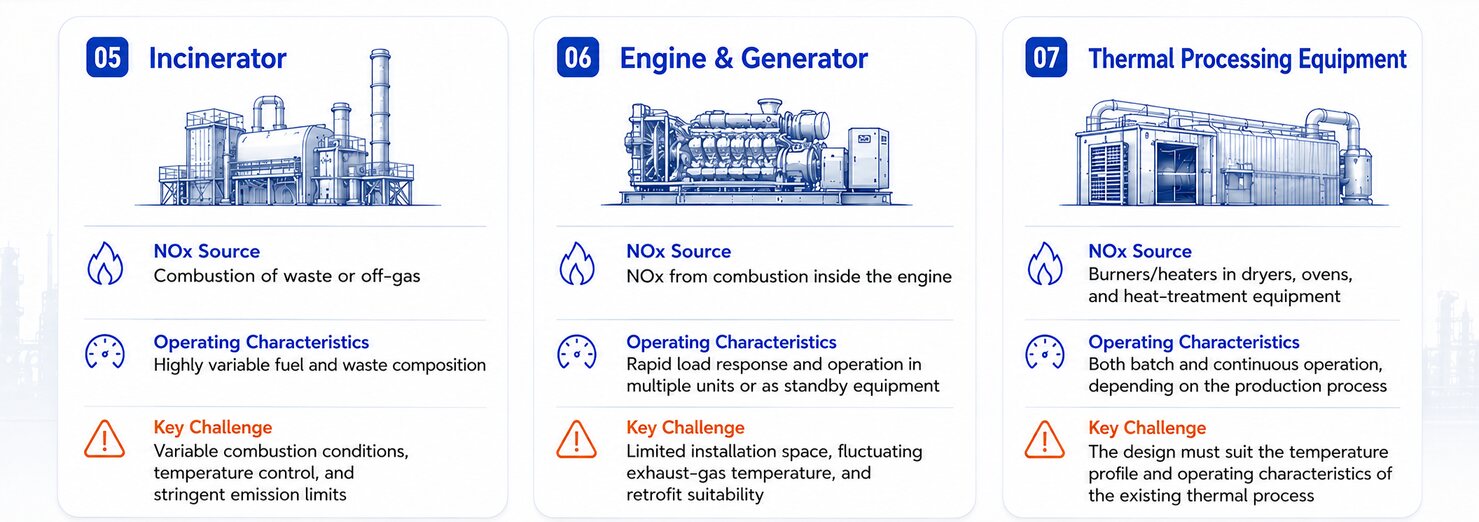
Sources & Applications
Prolific’s understanding of a wide range of thermal processes and equipment forms the foundation of our thermal engineering expertise, enabling us to design NOx reduction solutions that are appropriate, practical, and aligned with the specific constraints of each plant.
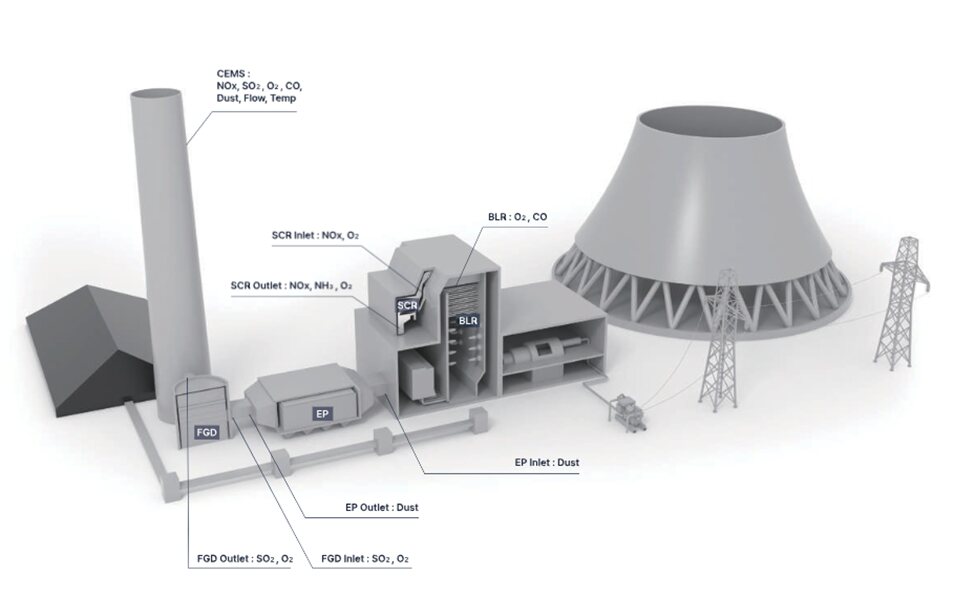
Selective Catalytic Reduction (SCR) System Integrated in Power Plant Flue Gas Treatment
NOx Reduction Approach
We start from a real understanding of the site, analyse where the NOx is coming from, and develop an approach that works on all three fronts: technically, against the budget, and in the project documentation.
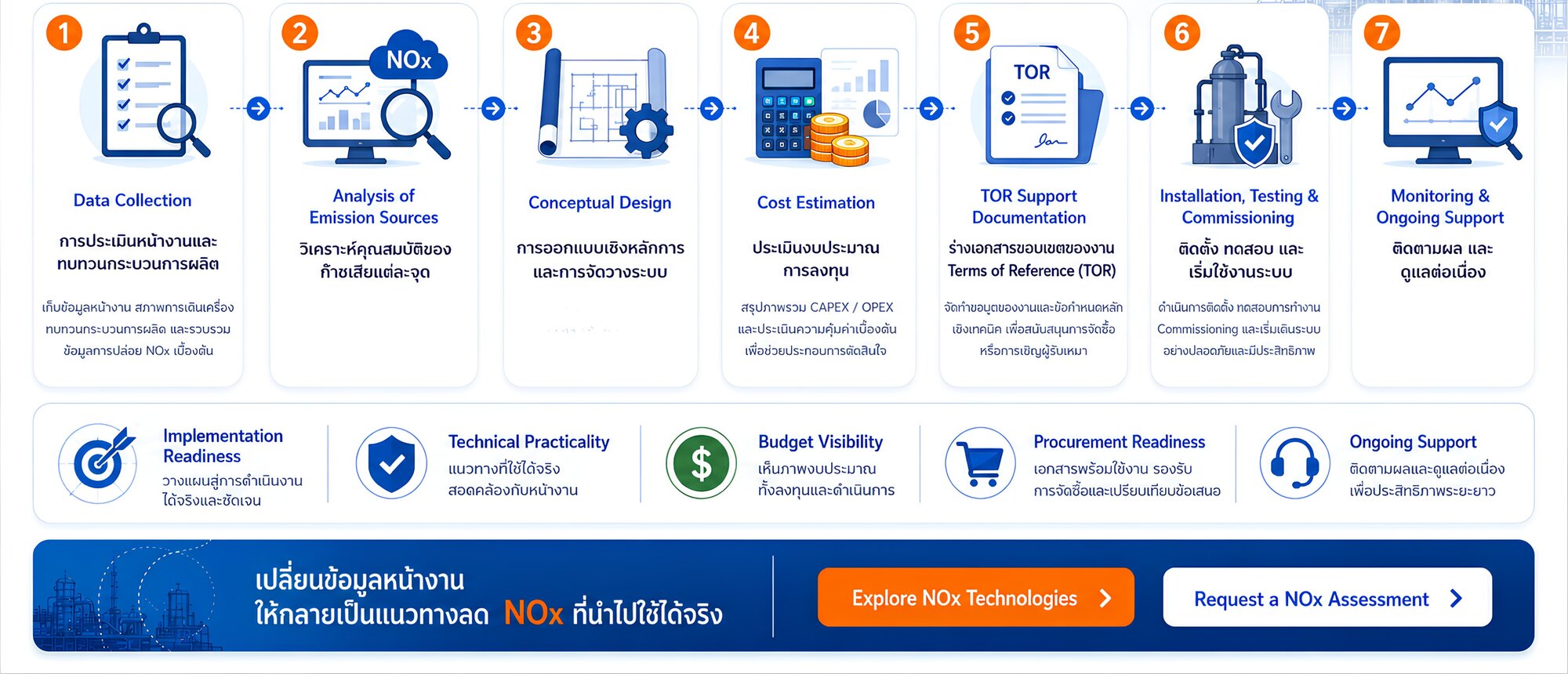
What we look at
- Flow rate, temperature and the properties of the flue gas at each point
- The technology that suits the plant, taking in layout, pressure drop, retrofit and maintenance
- Performance after commissioning, with continuing support from an experienced team
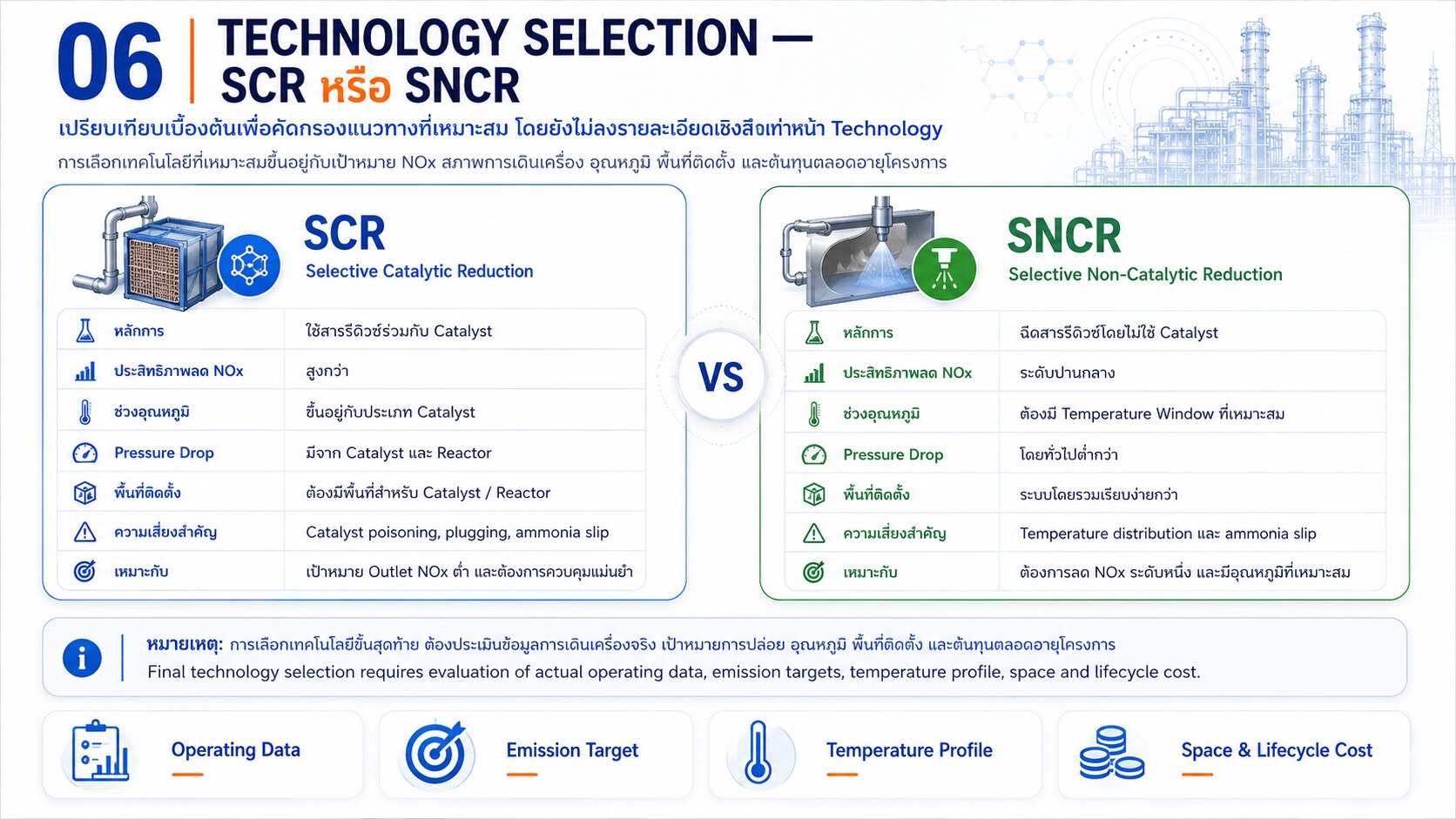
SCR Technologies
Selective Catalytic Reduction
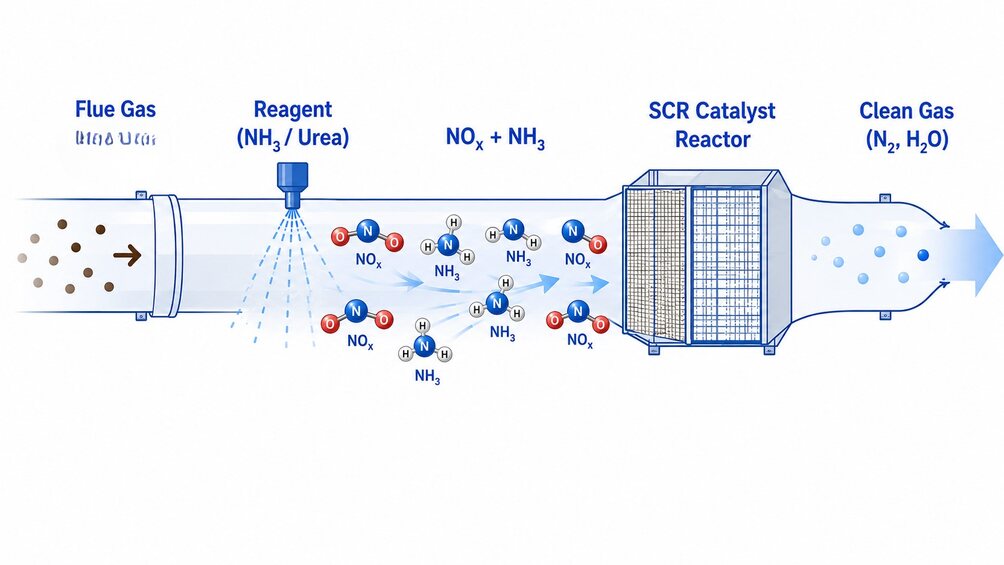
Principle of the SCR
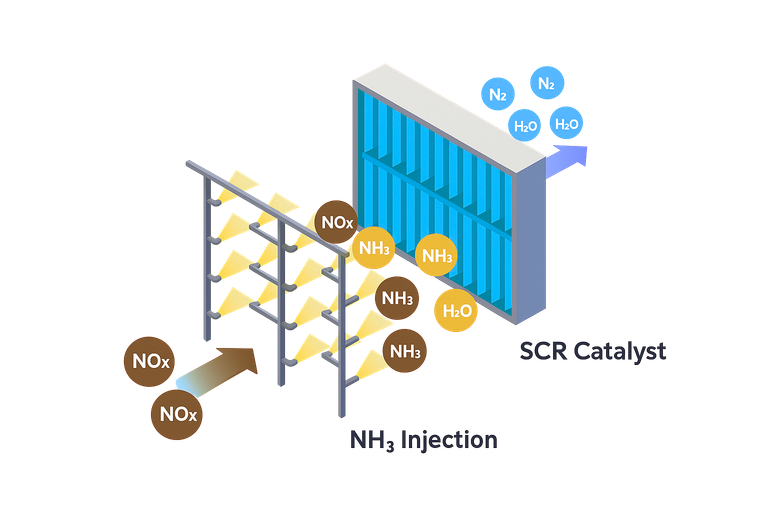
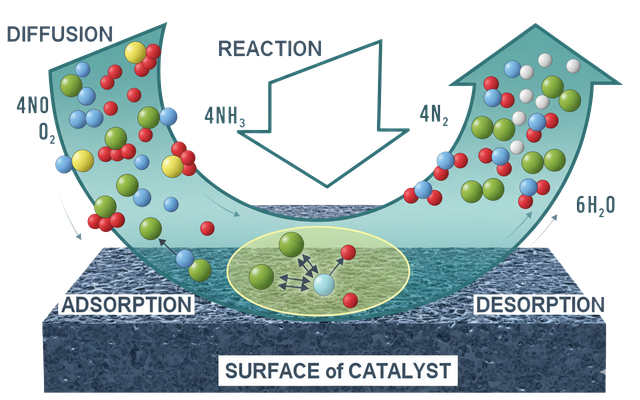
Surface Of Catalyst
4NO + 4NH₃ + O₂ → 4N₂ + 6H₂O
6NO + 4NH₃ → 5N₂ + 6H₂O
6NO₂ + 8NH₃ → 7N₂ + 12H₂O
2NO₂ + 4NH₃ + O₂ → 3N₂ + 6H₂O
Most of the nitrogen oxide abatement processes currently applied are selective catalytic reduction (SCR) processes that selectively reduce nitrogen oxides by using ammonia (NH3) or urea as reducing agent, and it is a process that has had many commercial achievements since it was first proposed. The main mechanisms of the entire process are as follows.
We has the best catalyst and technologies for SCR process
SCR Performance Guarantee
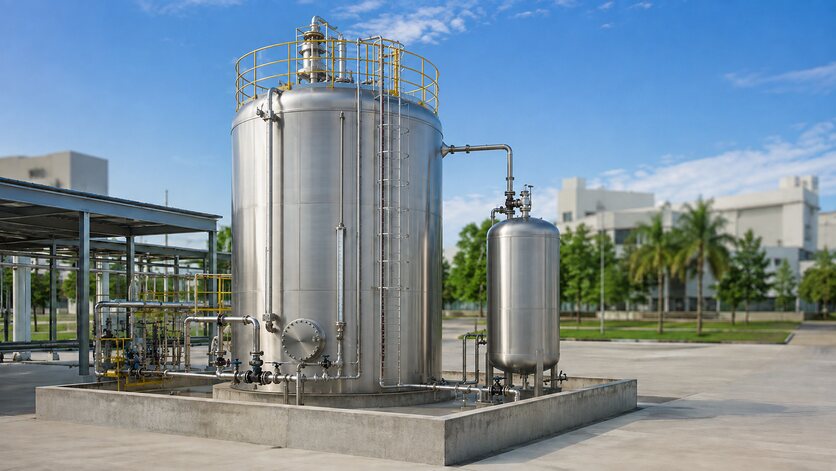
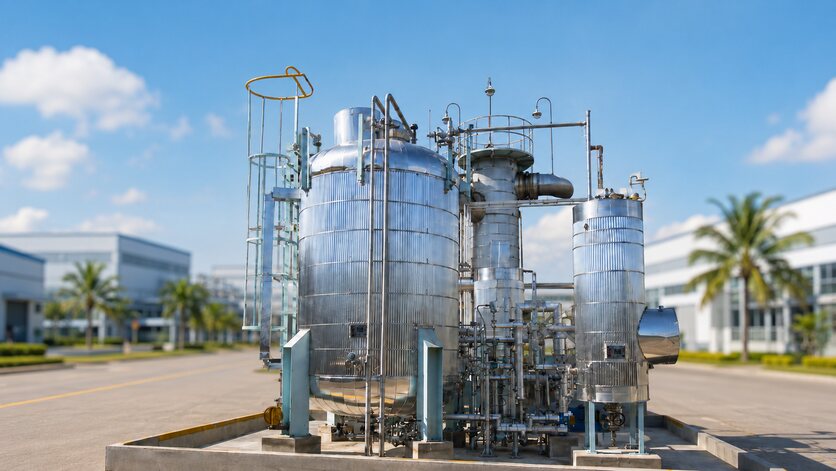
Main Components of the SCR System
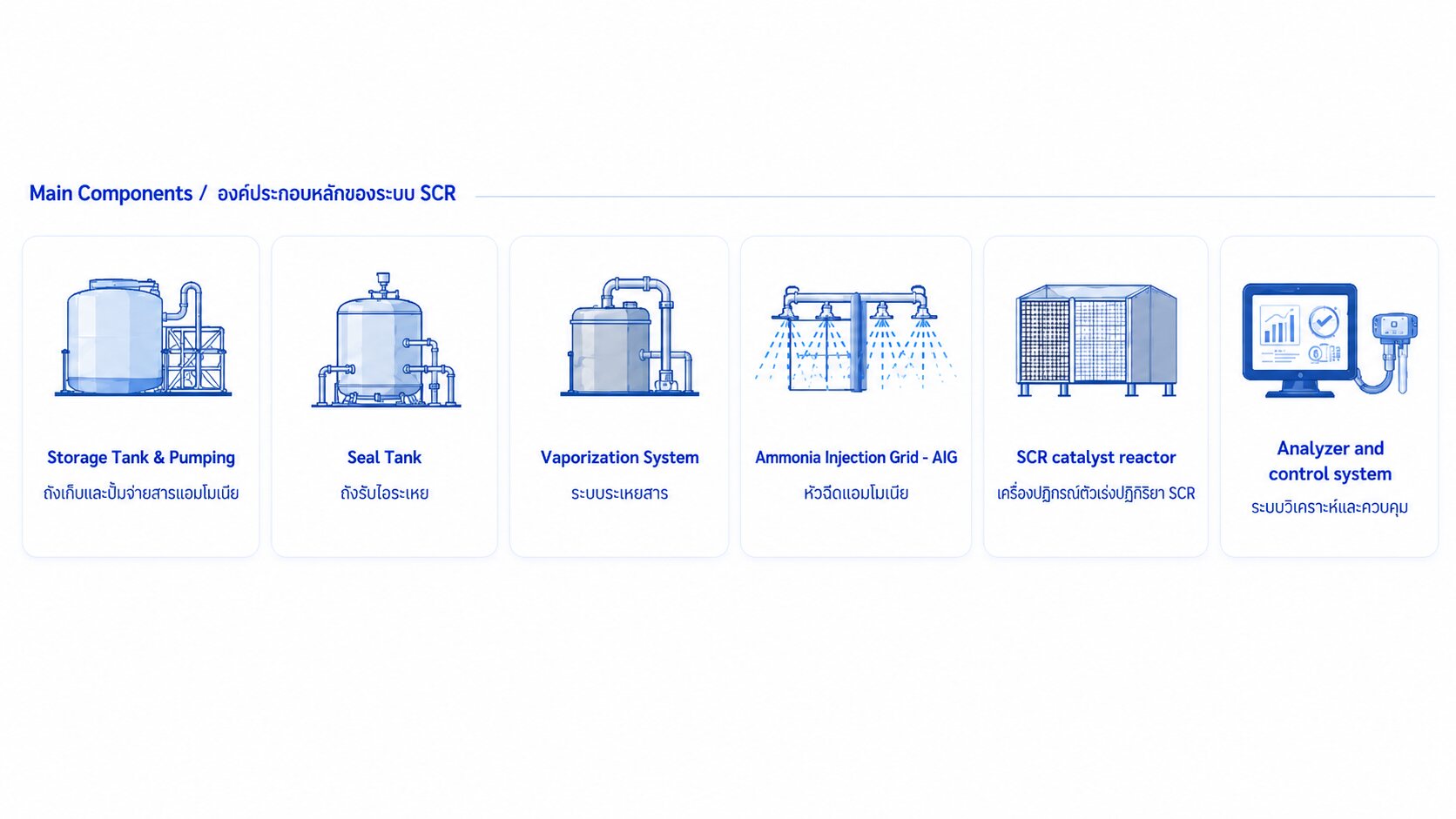
SCR — Suitable when
SNCR Technologies
Selective Non-Catalytic Reduction
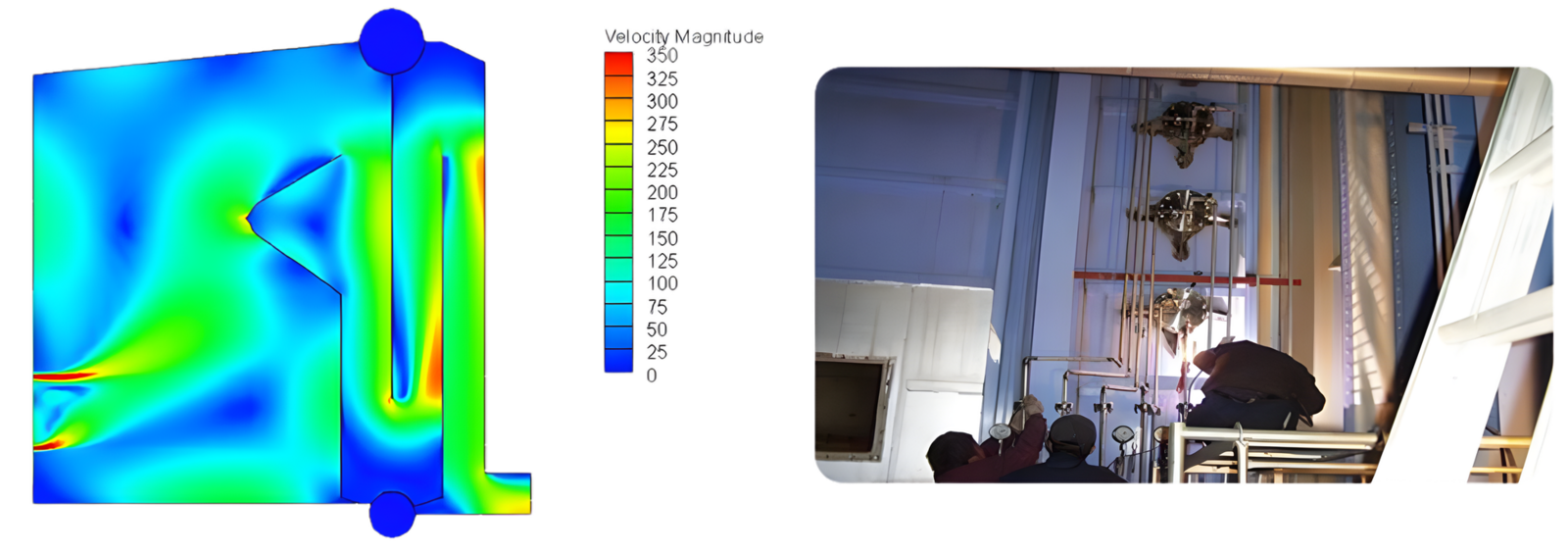
Computational Fluid Dynamics
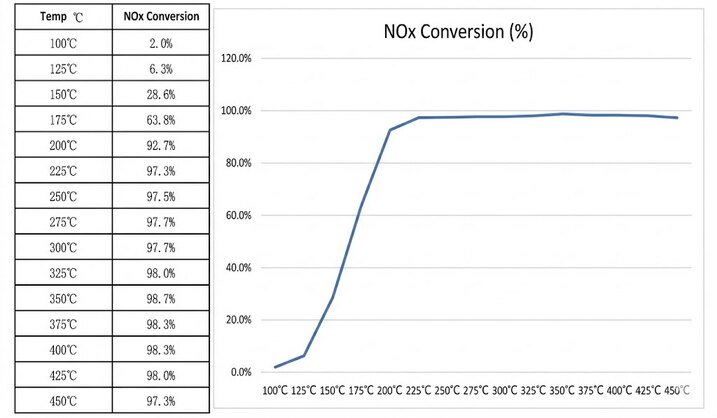
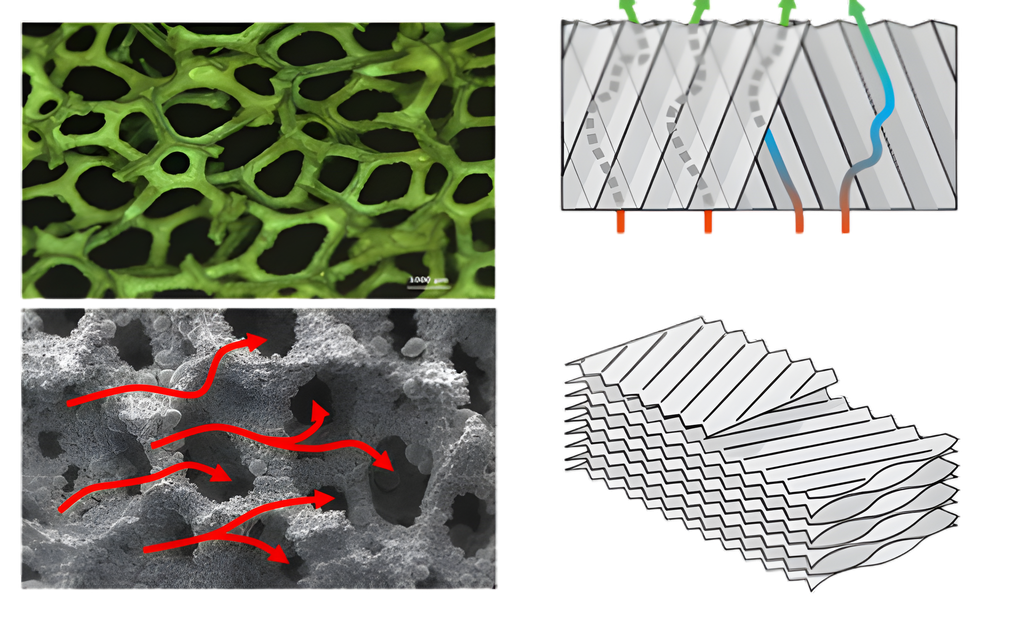
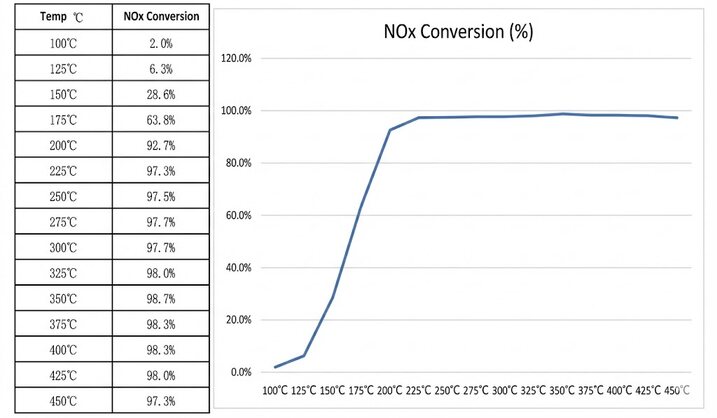
Catalyst performance in the SCR system
Key Features:
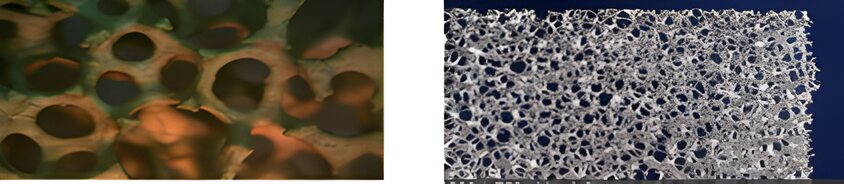
- Lightweight Design
- Low Pressure Drop
- Thermal Stability

Research & Development
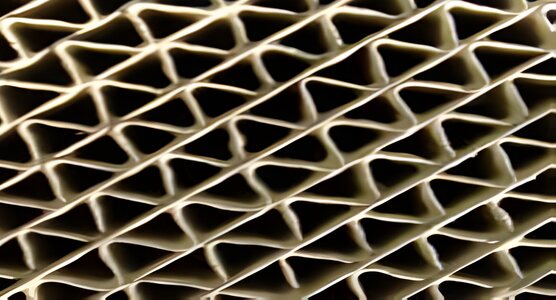
- Metal Alloy Corrugated Type (Rapid Activation)